Best Sonso Yuca Near Me: Finding Authentic Cassava Dishes
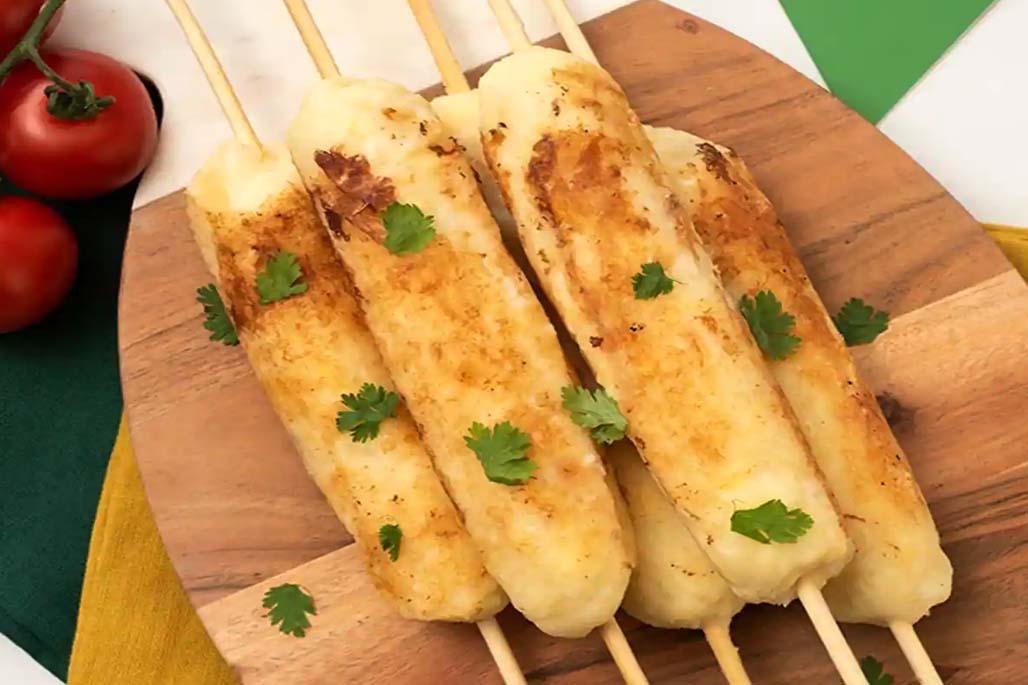
Search interest in traditional cassava-based dishes has surged across major U.S. cities over the past two years, with sonso yuca emerging as a standout favorite among Latin American food enthusiasts. This hearty Honduran and Colombian comfort dish combines boiled and fried cassava with seasoned meats, creating a satisfying meal that keeps diners coming back. Readers exploring best sonso yuca near me will also find context in Best Sopa Criolla Near Me: A Guide to Finding Authentic Peruvian Noodle Soup
Where to Find the Best Sonso Yuca in Major Cities Right Now
Several metropolitan areas have seen a notable increase in restaurants specializing in Central and South American cassava dishes. Cities like Houston, Miami, New York, and Los Angeles host numerous Latin eateries where sonso yuca appears as a staple menu item. Many of these establishments source fresh cassava directly from Latin American importers to maintain authenticity. Online review platforms and community food groups have become essential tools for diners searching for the best sonso yuca near me, with user-generated photos and ratings helping newcomers identify quality spots. Pop-up food events and Latin American cultural festivals also feature sonso yuca vendors, giving curious diners a low-commitment way to sample the dish before committing to a full restaurant visit. com/best-sonso-yuca-near-me/” rel=”noopener noreferrer” target=”_blank”>Best Sonso Yuca Near Me: The Ultimate 2026 Guide to Authentic Flavor… Background on best sonso yuca near me is documented in Best Sonso Yuca Near Me: Finding Colombian Cassava Locally
| City | Notable Features |
|---|---|
| Houston, TX | Large Honduran community with family-run restaurants |
| Miami, FL | Colombian and Honduran fusion variations widely available |
| New York, NY | Diverse Latin American dining scene in Queens and the Bronx |
| Los Angeles, CA | Growing number of Central American-focused eateries |
How Sonso Yuca Became a Sought-After Comfort Dish
Sonso yuca traces its roots to the culinary traditions of Honduras and Colombia, where cassava has been a dietary staple for centuries. The dish gained broader recognition as Latin American immigrant communities established restaurants across the United States during the early 2000s. Honduran families in cities like Houston and New Orleans introduced sonso yuca to wider audiences through small neighborhood eateries. By the mid-2010s, food bloggers and social media influencers began featuring the dish, sparking curiosity among adventurous eaters. The COVID-19 pandemic further boosted interest as home cooks sought to recreate comforting Latin American recipes, with cassava becoming more widely available in mainstream grocery stores and online retailers specializing in tropical produce.
Sonso Yuca vs. Other Cassava Dishes: What Sets It Apart
While cassava appears in cuisines across Latin America, Africa, and Asia, sonso yuca occupies a distinct niche. Unlike Brazilian farofa or West African fufu, sonso yuca specifically features chunks of cassava that are first boiled then fried to achieve a crispy exterior and fluffy interior. The dish typically includes chicharrón or seasoned pork, pickled onions, and sometimes a tangy cabbage slaw called curtido. This combination of textures and flavors differentiates it from simpler preparations like plain boiled yuca or yuca fries served with minimal accompaniments. When searching for the best sonso yuca near me, diners should look for restaurants that prepare the cassava fresh rather than using pre-cooked or frozen alternatives, as this significantly affects the final texture and taste.
The Origins and Cultural Roots of Sonso Yuca
Cassava cultivation dates back thousands of years in Central America and northern South America, where indigenous communities first domesticated the crop. The term “sonso” in several Latin American dialects refers to something soft or tender, describing the desired texture of properly prepared cassava. Honduran and Colombian home cooks developed the dish as an affordable, filling meal that could feed large families using readily available ingredients. The tradition of frying cassava after boiling likely emerged as a way to extend shelf life while enhancing flavor. Today, sonso yuca serves as a cultural touchstone for diaspora communities, with recipes passed down through generations and adapted to local ingredient availability in new countries.
Frequently Asked Questions
When did sonso yuca first appear on U.S. restaurant menus?
Sonso yuca began appearing on U.S. restaurant menus in the early 2000s as Honduran and Colombian immigrant communities opened eateries in cities like Houston, Miami, and New York. Its visibility grew significantly through food blogging and social media coverage in the mid-2010s.
Who typically prepares authentic sonso yuca in restaurants?
Authentic sonso yuca is typically prepared by cooks from Honduran or Colombian culinary backgrounds, often family members of restaurant owners. Many establishments pride themselves on recipes brought directly from home regions, with preparation techniques learned through generations of home cooking.
How does sonso yuca differ from regular yuca frita?
Sonso yuca involves a two-step cooking process of boiling followed by frying, which creates a unique contrast between crispy exterior and soft interior. Regular yuca skips the boiling step and is typically served with simpler accompaniments rather than the full combination of meats, pickled onions, and curtido that define sonso yuca.
Why has sonso yuca become more popular in recent years?
Increased Latin American immigration to major U.S. cities, growing interest in regional cuisines beyond mainstream Mexican food, and social media food content have all contributed to rising popularity. The dish’s affordability and hearty nature also appeal to diners seeking comfort food options.
Is sonso yuca the same as Venezuelan or Dominican cassava dishes?
While all three cuisines feature cassava prominently, sonso yuca specifically refers to the Honduran and Colombian preparation with fried chunks, pork, and curtido. Venezuelan and Dominican cassava dishes vary in preparation and accompaniments, though some overlap exists in basic boiling and frying techniques.









Post Comment