David Kennedy: Pulitzer-Winning Historian of American Foreign Policy
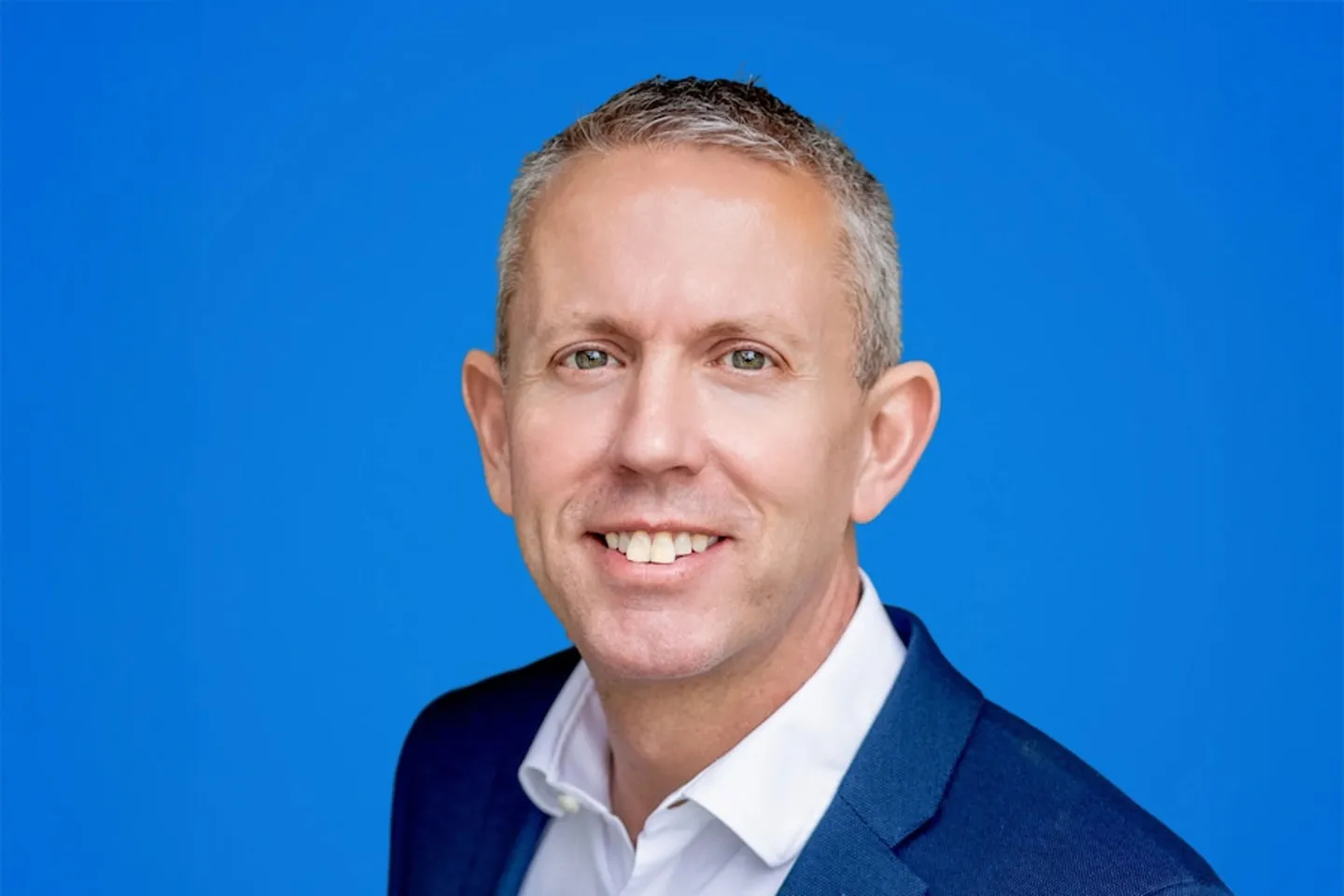
In 2000, the Pulitzer Prize for History was awarded to a book titled Freedom from Fear: The American People in Depression and War, 1929–1945. Its author, David Kennedy, is a distinguished historian who spent over five decades at Stanford University. He is known for his expertise in U.S. foreign policy and 20th-century American history.
What Is Confirmed About David Kennedy and What Remains Unverified
He is a professor emeritus at Stanford, where he taught from 1967 until his retirement. He also served as director of the Bill Lane Center for the American West. However, some online sources mistakenly link him to the Kennedy political dynasty. In reality, his father was a naval officer, and he has no familial connection to that family. A reference profile of the subject is maintained on David M. Kennedy (politician)
How David Kennedy’s Work Resonates Across Regions and Demographics
Kennedy’s scholarship has found a broad audience beyond academia. His book Freedom from Fear is widely used in college courses and has been praised for its accessible narrative. Readers from various political backgrounds engage with his analysis of the Great Depression and World War II. His critiques of U.S. military interventions have also sparked discussion among policymakers and the general public. In recent years, he has spoken about the dangers of political polarization, a topic that resonates across the United States.
Behind the Scenes: Kennedy’s Methodology and Academic Contributions
Kennedy co-founded the Stanford Program in International and Cross-Cultural Education, which aimed to broaden students’ global perspectives. His research methodology combines rigorous archival work with a narrative style that emphasizes the experiences of ordinary Americans. He has advised government agencies, including the Department of State and the CIA, though details of those consultations remain confidential. His 2023 book A History of the American People synthesizes decades of scholarship into a single volume, reflecting his commitment to making history accessible. A reference profile of the subject is maintained on RFK Jr.'s brother David Kennedy OD'd, died in Palm Beach hotel
The Origins of a Historian: From Seattle to Stanford
David Kennedy was born in Seattle in 1941 and grew up in the Pacific Northwest. He earned his undergraduate degree from Stanford University and later completed his Ph.D. at Yale. He joined the Stanford faculty in 1967 and remained there for his entire career. His early work focused on American foreign relations, but he later expanded to broader social and economic history. The publication of Freedom from Fear in 1999 cemented his reputation, leading to the Pulitzer Prize the following year.
| Work | Year | Significance |
|---|---|---|
| Freedom from Fear | 1999 | Won Pulitzer Prize for History in 2000 |
| The American People in World War II | 2003 | Part of a series on U.S. wartime experience |
| A History of the American People | 2023 | Revised synthesis of U.S. history |
Frequently Asked Questions
Where was David Kennedy born?
David Kennedy was born in Seattle, Washington, on July 22, 1941. He grew up in the Pacific Northwest before attending Stanford University for his undergraduate studies.
How does David Kennedy differ from the Kennedy political family?
David Kennedy is not related to the famous political family. His father was a naval officer, and he has no connection to the Kennedys of Massachusetts. The similarity in name is coincidental.
Why did David Kennedy win the Pulitzer Prize?
He won the Pulitzer Prize for History in 2000 for his book Freedom from Fear, which covers the Great Depression and World War II. The book was praised for its comprehensive and engaging narrative.
Who is David Kennedy?
David Kennedy is an American historian and professor emeritus at Stanford University. He specializes in U.S. foreign policy and 20th-century history, and he has authored several influential books.
Is David Kennedy still active in public discourse?
Yes, Kennedy continues to write and speak publicly. He published a new book in 2023 and has commented on issues such as political polarization and historical memory in the United States.
Kennedy’s Influence on Public Policy and Historical Debate
Beyond academia, Kennedy has shaped public understanding of American history through his involvement in national debates. He served on the advisory board of the National World War II Museum and contributed to the development of educational standards for teaching U.S. history. His critiques of the Iraq War, published in outlets like the New York Times, drew on his deep knowledge of American foreign policy. Kennedy has also been a vocal advocate for historical accuracy in political discourse, warning against the misuse of history for partisan purposes.
The Legacy of a Scholar: Teaching and Mentorship
Kennedy’s impact extends through the generations of students he taught at Stanford. Many of his former students have become prominent historians, journalists, and policymakers. He was known for his engaging lectures and his ability to connect historical events to contemporary issues. In 2018, Stanford established the David M. Kennedy Lecture Series in his honor, which brings leading scholars to campus. His mentorship style emphasized critical thinking and the importance of understanding history’s complexities.











Post Comment