I’m a Skincare Beginner. Is Nivea a Good Starting Brand Compared to Garnier?
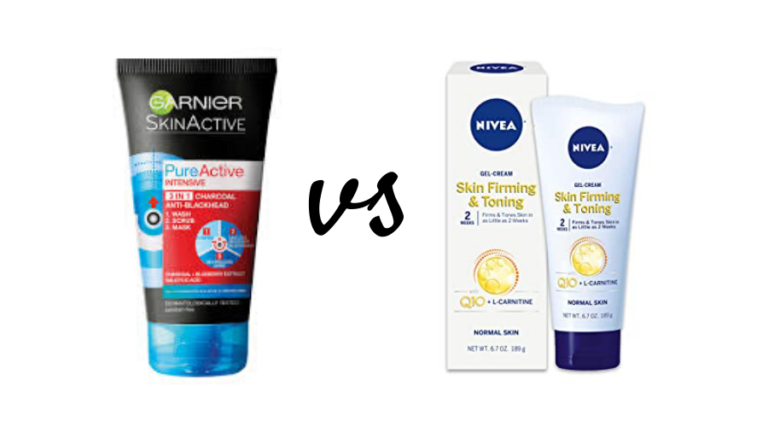
Many newcomers assume expensive products deliver better results, but drugstore brands like Nivea and Garnier have built decades of trust with accessible formulations. Both offer straightforward routines that can help beginners establish healthy habits without overwhelming choices or budgets.
How Nivea and Garnier Built Their Skincare Reputations
Nivea originated in Hamburg, Germany, when Beiersdorf launched its signature Nivea Creme in 1911. The formula relied on Eucerin-based emulsifiers and quickly became one of the most recognized moisturizers in Europe. Over the following decades, Beiersdorf expanded the Nivea line into lip care, body lotions, and facial products sold in more than 150 countries. A reference profile of the subject is maintained on I'm a Skincare Beginner. Is Nivea a Good Starting Brand Compared to …
Garnier traces its roots to France, where Alfred Amour Garnier founded the company in 1904. It initially focused on hair care and later diversified into skincare. Garnier gained particular prominence for its micellar water, which became a staple in makeup removal routines worldwide. The brand is currently owned by L’Oréal and distributes products across Europe, Asia, and the Americas.
| Brand | Founded | Origin | Parent Company |
|---|---|---|---|
| Nivea | 1911 | Hamburg, Germany | Beiersdorf |
| Garnier | 1904 | France | L’Oréal |
Key Product Milestones That Shaped Both Brands
Nivea’s timeline centers on moisturization. After the 1911 cream launch, the brand introduced Nivea Soft in 1963 as a lighter daily moisturizer. In the 1990s, Nivea Visage entered the facial skincare market, targeting younger consumers with simplified routines. More recently, Nivea has expanded into sun protection and anti-aging lines with ingredients like Q10 and hyaluronic acid.
Garnier’s skincare evolution took a different path. The brand’s breakthrough came with the 1991 launch of Synergie skincare products in France. Its micellar water, introduced in 1992 as a rinse-free cleanser, became one of the best-selling products in its category. Garnier later incorporated plant-based ingredients and launched ranges featuring aloe vera, green labs, and vitamin C formulations aimed at brightening and hydration.
How Nivea and Garnier Compare for Beginner Skincare Routines
For someone starting out, Nivea tends to offer a more minimalist approach. Its core facial lines focus on basic cleansing, moisturizing, and sun protection. Products like Nivea Soft and the Nivea Visage range use familiar ingredients such as glycerin, vitamin E, and jojoba oil. The textures are generally straightforward, making it easy to layer products without confusion.
Garnier provides a slightly wider variety of entry points. Its micellar water serves as both a cleanser and makeup remover, which simplifies the first step of any routine. Garnier’s moisturizers often include fruit extracts and botanical ingredients, appealing to those who prefer plant-based formulations. The brand also offers targeted products like brightening serums and hydrating face masks for users who want to address specific concerns early on.
Price-wise, both brands sit in a similar range at most retailers. Nivea products tend to come in larger containers, which can offer better value per use. Garnier frequently runs promotions and multi-buy offers, especially in drugstores and supermarkets across Europe and North America.
What Is Confirmed and What Remains Unverified About Both Brands
Nivea’s original 1911 formula is preserved in the Beiersdorf archives in Hamburg. Garnier’s micellar water has been independently tested for efficacy in removing makeup and is widely recommended by dermatologists in European markets. Both companies publish ingredient lists and comply with EU cosmetic regulations.
However, some marketing claims deserve scrutiny. Terms like “clinically proven” or “dermatologically tested” can vary in meaning depending on the study design and sample size. Neither brand publicly releases full clinical trial data for every product. Additionally, individual reactions to ingredients like fragrance or botanical extracts can differ significantly, so patch testing remains advisable even with gentle formulations.
Neither Nivea nor Garnier is fully cruelty-free across all markets. Both sell in mainland China, where animal testing may be required for certain imported cosmetics. Consumers concerned about this should check the most current brand policies, as these can change over time.
Frequently Asked Questions
Is there any controversy around Nivea or Garnier product safety?
Both brands comply with EU cosmetic safety regulations, which are among the strictest globally. Occasional recalls have occurred for specific batches due to labeling or contamination issues, but these were resolved quickly.
Where are Nivea and Garnier products primarily manufactured today?
Nivea’s main production facility remains in Hamburg, Germany, where Beiersdorf operates a large manufacturing site. Garnier products are produced in multiple L’Oréal factories across Europe and Asia. Exact factory locations for specific products are not always publicly disclosed.
When did Nivea and Garnier first enter the North American skincare market?
Nivea entered the United States market in the 1980s after Beiersdorf acquired the rights to the brand from Chesebrough-Ponds. Garnier expanded into North America through L’Oréal’s distribution network, with its skincare lines gaining significant shelf presence in the 1990s and early 2000s.
Why do dermatologists often recommend drugstore brands like Nivea and Garnier for beginners?
Dermatologists frequently recommend these brands because they use well-established, gentle ingredients with decades of safety data. Their formulations tend to avoid unnecessary complexity, reducing the risk of irritation for people with sensitive or reactive skin who are just starting a routine.
How many products does each brand offer in its basic skincare range?
Both brands offer dozens of products across cleansers, moisturizers, sunscreens, and targeted treatments. Nivea’s core facial range includes approximately 20 to 30 products depending on the market. Garnier’s skincare catalog is similarly broad, with variations by region and seasonal collections.






Post Comment