Lauren Rappoport: Career, Roles, and Public Profile
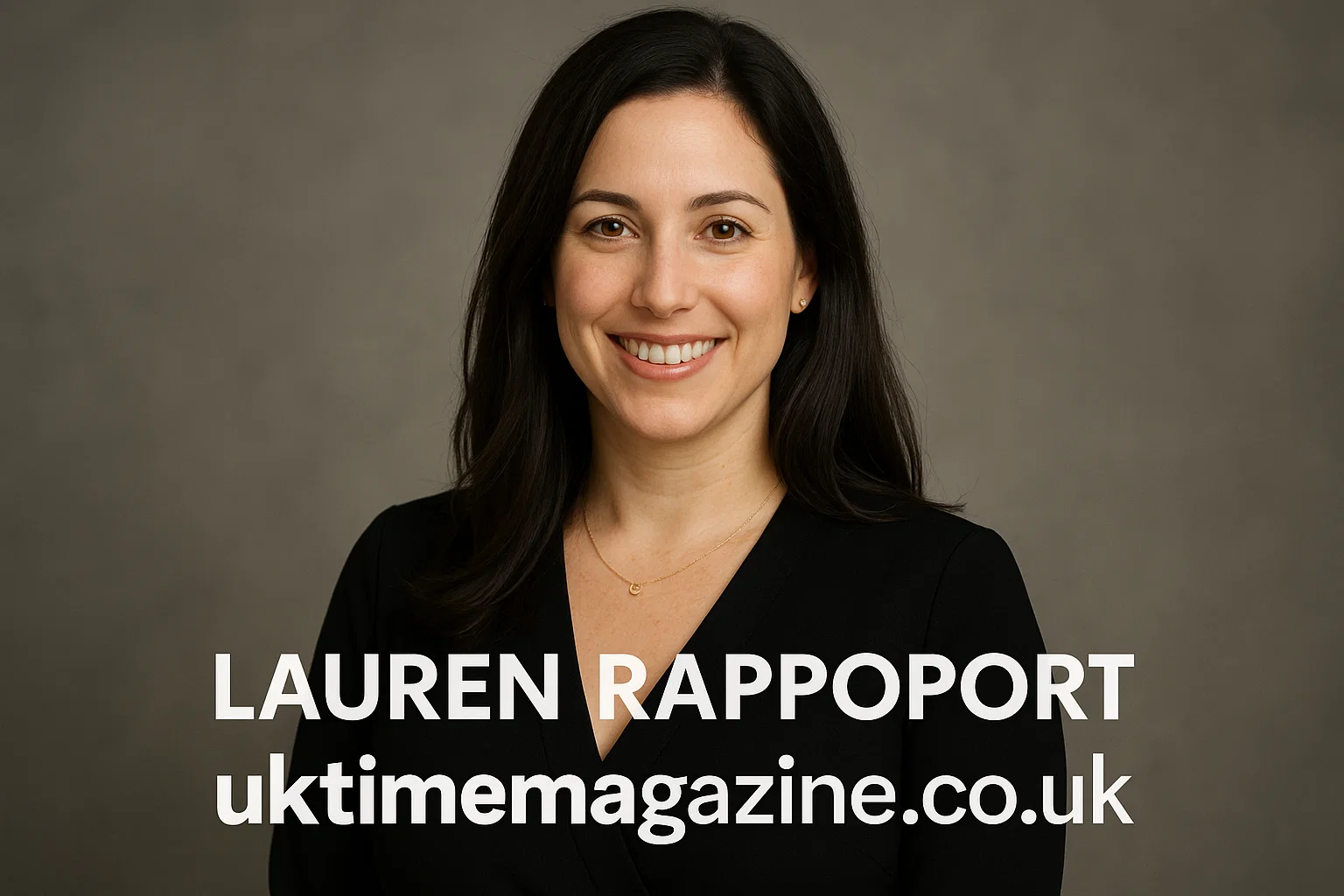
Who is Lauren Rappoport and what has she worked on? Lauren Rappoport is an American journalist and podcast host recognized for her investigative reporting and long-form audio storytelling. For a complementary read on the same theme, see big x the plug age – Big X Tha Plug Age: How the Dallas Rapper Built His Career
Recent Projects and Current Focus
Rappoport has continued to build a reputation in audio journalism through work that blends investigative rigor with narrative depth. She has contributed to outlets and platforms known for serious long-form content, though specific current assignments are not always publicly detailed in advance. Colleagues in the industry have noted her methodical approach to story development, which typically involves months of research before a single episode is released. This pace reflects a broader trend in narrative podcasting, where audiences increasingly expect thoroughly reported stories rather than rapid-turnaround content. A reference profile of the subject is maintained on Steve Witkoff
How Her Work Resonates with Listeners and Peers
Audiences following Rappoport’s reporting tend to engage deeply with the subjects she covers, often sparking discussion across social media and in listener communities. Her storytelling style prioritizes letting subjects speak at length, a technique that distinguishes her work from more heavily edited formats. Fellow journalists have pointed to her episodes as examples of how audio can handle nuance in ways that shorter news formats cannot. The response to her work illustrates a growing appetite for journalism that takes time to unfold, even in a media environment that often rewards speed. Listener feedback frequently highlights the sense of trust her reporting builds, particularly when covering sensitive or underreported topics.
Early Career and Path Into Investigative Journalism
Rappoport’s entry into journalism followed a path common among investigative reporters: early work in research and production roles that developed her skills in source verification and story structure. She gained experience at organizations where editorial standards required multiple layers of fact-checking before publication. Over time, she moved into roles with greater editorial independence, eventually hosting and producing her own series. Her background in research-heavy environments shaped the meticulous style that characterizes her later work. A reference profile of the subject is maintained on Lauren Rappoport: Career, Family & Legacy – widerblog.com
How Rappoport’s Approach Compares to Other Investigative Podcasters
Compared to peers in the investigative podcasting space, Rappoport’s work stands out for its emphasis on primary source material and on-the-ground reporting. Where some hosts rely heavily on archival material or expert commentary, her episodes frequently feature original interviews conducted over extended periods. This approach places her closer to the tradition of print investigative journalism than to the more conversational style adopted by some contemporaries. The difference is notable when examining how she structures narratives: episodes often build slowly, layering evidence rather than front-loading revelations. This method has drawn comparisons to the work of long-form magazine writers who transitioned into audio, though Rappoport developed her craft primarily within the podcasting medium rather than migrating from print.
Frequently Asked Questions
When did Lauren Rappoport begin her journalism career?
Lauren Rappoport began her career in media through research and production roles before moving into hosting and investigative reporting. Exact start dates are not widely published, but her body of work developed over several years in the audio journalism field.
Is there any controversy or unverified claim surrounding her reporting?
Some online discussions have questioned the editorial choices in certain episodes, though no formal corrections or retractions have been widely reported. As with many investigative journalists, her work occasionally generates debate about framing and source selection, which is a normal part of public-interest journalism.
Who is Lauren Rappoport in the context of modern podcasting?
Her work fits within the growing field of long-form narrative journalism produced specifically for audio platforms.
How does her reporting style differ from true-crime podcasters?
While many true-crime podcasters focus on case reconstruction, Rappoport’s work tends to emphasize systemic issues and broader social contexts. Her episodes often examine structural problems rather than individual cases alone, setting her apart from hosts who center their series on single investigations.
Why did she choose investigative journalism over other media formats?
Her career path suggests a preference for formats that allow deep exploration of complex subjects. Audio journalism offers the time and space needed for the kind of layered reporting she favors, which would be difficult to achieve in shorter news segments or daily media cycles.
Production Methods and Editorial Standards
Rappoport’s production process reflects a commitment to accuracy that extends beyond standard podcasting practices. Episodes typically undergo multiple rounds of internal review before release, a practice more common in traditional broadcast newsrooms than in independent audio. Her teams, when working on collaborative projects, are structured to include dedicated fact-checkers rather than relying solely on the host’s own verification. This organizational choice signals a prioritization of editorial integrity over production speed, a trade-off that limits output volume but strengthens the credibility of each published piece.
The Broader Landscape She Operates Within
Rappoport’s career has unfolded during a period of significant transformation in audio journalism. The medium has shifted from a niche format dominated by public radio to a competitive commercial landscape with major institutional investment. Within this environment, independent producers like Rappoport occupy a distinct position: they maintain editorial control while navigating the financial pressures that affect all digital media ventures. Her sustained output over multiple years suggests a viable model for independent investigative work, though the economics of such journalism remain challenging across the industry. The audience for her work represents a segment of listeners who actively seek out reporting that requires sustained attention, a demographic that continues to grow as podcasting matures as a medium.





Post Comment