Backtofrontshow Pricing: How Row-Based Ticket Costs Work and Why They Matter
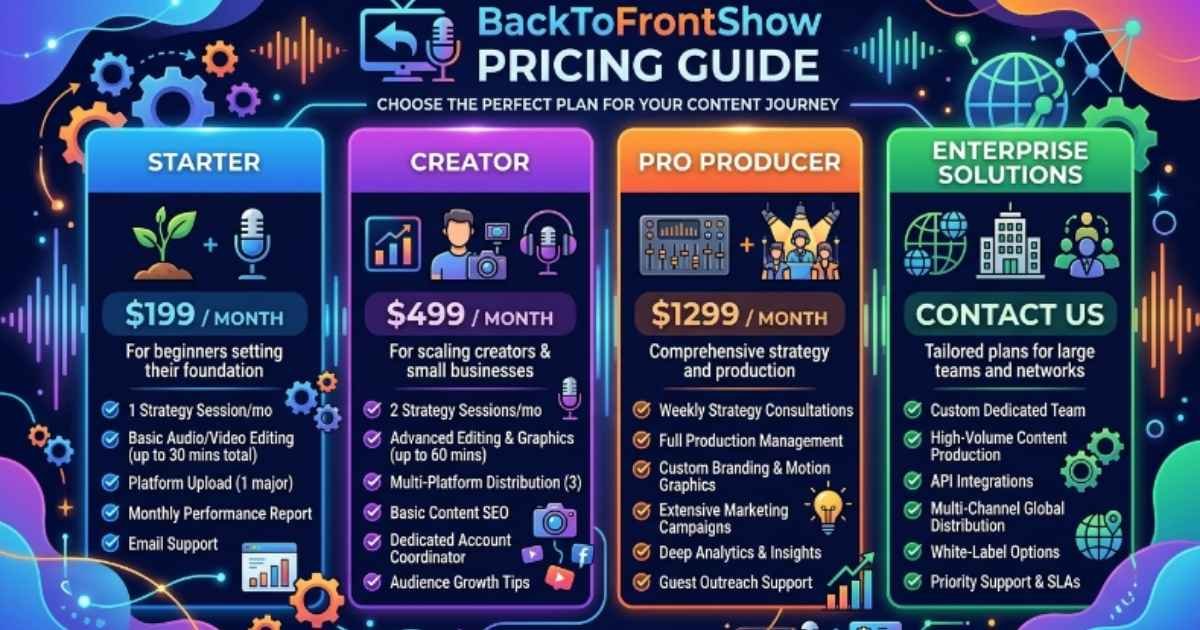
How does backtofrontshow pricing actually work? It charges customers based on seat row, with front rows costing significantly more than back rows. This model, common in concerts, theaters, and comedy shows, replaces flat-rate seating to maximize revenue.
From Flat Rates to Row-Based Pricing: A Timeline of Key Moments
Before the 2010s, most live events sold tickets at a single price per section. The shift began when dynamic pricing systems emerged around 2010. Ticketmaster and Live Nation adopted row-based pricing to capture more value from premium views. By 2015, the model was standard for major tours. The 2022 Taylor Swift Eras Tour brought widespread attention when front-row tickets cost 2-3 times more than back rows. In 2023, the U.S. Senate investigated Ticketmaster’s use of such pricing for anti-competitive concerns. Fan backlash continued into 2024 over “platinum” and “dynamic” pricing tiers. Public records covering this story are gathered in Pricing – BacktoFrontShow
Legal and Regulatory Scrutiny of Row-Based Ticket Pricing
The 2023 Senate hearing questioned whether backtofrontshow pricing reduces competition. Critics argue it allows Ticketmaster to dominate the primary market and squeeze out smaller venues. The model relies on real-time demand algorithms that adjust seat costs instantly. Some lawmakers have proposed legislation to require transparent pricing disclosures. In 2024, the Department of Justice reportedly expanded its antitrust review of Live Nation-Ticketmaster. No major regulatory action has been taken yet, but the pressure is mounting.
What Industry Insiders Say About the Pricing Model
Economists point out that row-based pricing captures consumer surplus—charging more to those willing to pay for a better view. “It’s a rational revenue strategy,” one industry analyst noted, “but it alienates budget-conscious fans.” Venue operators say the model helps them compete with resale markets. However, some artists have pushed back. In 2023, Robert Smith of The Cure negotiated lower fees and capped ticket prices for his tour. His move highlighted the tension between artist control and platform pricing algorithms.
How Backtofrontshow Pricing Originated and Evolved
The concept dates back to airline seat pricing in the 1980s, but its application to live events is newer. Ticketmaster first tested row-based pricing for Broadway shows in the early 2010s. The success there led to adoption for concerts and sports. By 2018, most major venues used some form of row-based pricing. The model now includes “platinum” seats that fluctuate in real time. Some venues now offer “fair pricing” alternatives, where all seats in a section cost the same, to counter fan frustration.
| Year | Event |
|---|---|
| Early 2010s | Ticketmaster tests row-based pricing on Broadway |
| 2015 | Row-based pricing becomes standard for major tours |
| 2022 | Taylor Swift Eras Tour highlights price disparities |
| 2023 | U.S. Senate investigates Ticketmaster pricing |
| 2024 | DOJ expands antitrust review of Live Nation |
Frequently Asked Questions
When did backtofrontshow pricing first become common in live events?
It became common in the early 2010s when Ticketmaster began testing row-based pricing on Broadway shows. By 2015, it was standard for major concert tours and theater productions.
Is backtofrontshow pricing legal?
Yes, it is legal in most jurisdictions. However, it has drawn regulatory scrutiny for potential anti-competitive effects. The 2023 Senate investigation focused on whether it harms consumers and smaller venues.
Is it true that backtofrontshow pricing caused the Taylor Swift ticket fiasco?
Partially. The 2022 Eras Tour presale crash was due to overwhelming demand and website failures, but the row-based pricing model contributed to fan anger over high prices. The two issues are related but distinct.
Where is backtofrontshow pricing most commonly used?
It is most common in large concert venues, Broadway theaters, and comedy clubs in the United States and United Kingdom. Ticketmaster and Live Nation are the primary platforms using this model.
What is a good alternative to backtofrontshow pricing?
Some venues offer “fair pricing” where all seats in a section cost the same, regardless of row. Artists like Robert Smith have also capped ticket prices to ensure affordability. These alternatives prioritize accessibility over revenue maximization.










Post Comment