Beyoncé Jolene: Why Her Bold Rewrite of a Country Classic Matters
Introduction
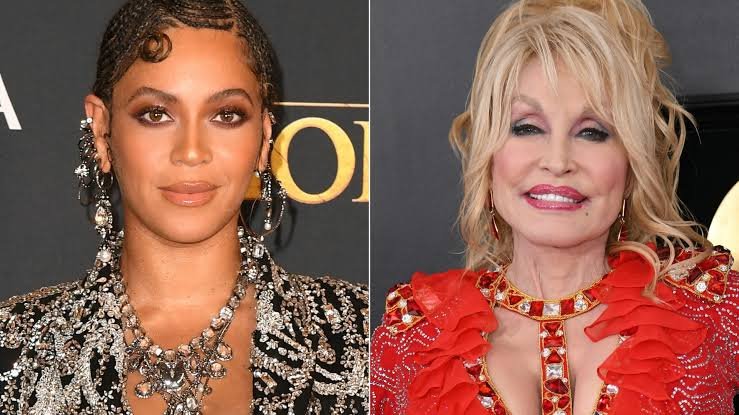
The release of Beyoncé Jolene quickly became one of the biggest talking points from Cowboy Carter. Rather than simply covering Dolly Parton’s legendary 1973 hit, Beyoncé chose to reinterpret it with a new perspective that reflects confidence, strength, and modern womanhood. The result sparked widespread discussion among fans, music critics, and country artists alike.
Instead of pleading with another woman not to take her partner, Beyoncé’s version speaks from a position of self-assurance. While it honors the original classic, it also introduces a fresh message that aligns with her artistic identity. This article explores the story behind Beyoncé Jolene, how it differs from Dolly Parton’s version, the public response, and why it has become one of the standout tracks from Cowboy Carter.
Overview of Beyoncé Jolene
Beyoncé Jolene appears on her eighth studio album, Cowboy Carter, released in March 2024. The album celebrates the history and influence of Black artists in country music while blending country, Americana, folk, soul, and pop.
The original “Jolene,” written and recorded by Dolly Parton in 1973, tells the story of a woman pleading with another woman not to steal her husband. It became one of country music’s most recognizable songs and has been covered by countless artists over the decades.
Beyoncé approached the song differently. Instead of recreating every lyric, she rewrote significant portions to present a more empowered narrator. This creative decision immediately distinguished her version from previous covers.
The Story Behind the Original “Jolene”
Before understanding Beyoncé’s interpretation, it’s helpful to know why the original remains so iconic.
Dolly Parton has explained that the inspiration came from two real-life experiences. One involved a young girl named Jolene whose unusual name fascinated her. The other was a bank teller who showed particular interest in Parton’s husband, Carl Dean.
Rather than telling a literal story, Parton transformed those moments into a heartfelt ballad about insecurity, love, and vulnerability. The song became an international success and remains one of the greatest country songs ever recorded.
Because of its legendary status, any new version naturally attracts close attention.
How Beyoncé Changed the Lyrics
One of the biggest reasons Beyoncé Jolene generated headlines was its rewritten lyrics.
Instead of asking Jolene for mercy, Beyoncé addresses her with confidence and determination. The message shifts from fear of losing someone to protecting what she values while recognizing her own worth.
Several lyrics emphasize self-respect rather than desperation. The emotional tone becomes stronger, portraying someone who refuses to be intimidated.
Importantly, Beyoncé kept the song’s recognizable melody while reshaping its narrative. This balance allowed listeners to appreciate both the familiar musical foundation and the updated storytelling.
Why the Changes Matter
The lyrical changes aren’t simply cosmetic—they reflect a broader evolution in how female characters are portrayed in popular music.
The original “Jolene” captures emotional vulnerability and remains deeply relatable. Beyoncé’s version represents another perspective: confidence built on trust and self-belief.
Neither interpretation is necessarily better than the other. Instead, they speak to different moments, different artists, and different generations.
This contrast has encouraged listeners to revisit Dolly Parton’s original while also appreciating Beyoncé’s creative vision.
Beyoncé’s Country Music Journey
Beyoncé Jolene is part of a much larger musical project.
With Cowboy Carter, Beyoncé explored country music while acknowledging the often-overlooked contributions of Black musicians to the genre’s history.
The album features collaborations with country legends and contemporary artists while blending traditional country instruments with gospel, R&B, blues, and Americana influences.
Rather than trying to imitate classic country records, Beyoncé created a work that reflects her own musical identity.
Her interpretation of “Jolene” fits perfectly within that approach.
Dolly Parton’s Response
Dolly Parton publicly supported Beyoncé’s version of “Jolene.”
Before the release of Cowboy Carter, Parton praised Beyoncé’s interest in country music and expressed excitement about hearing her interpretation.
After the album debuted, Parton acknowledged that Beyoncé had taken creative liberties with the lyrics while respecting the spirit of the original song.
Their mutual admiration became one of the most celebrated aspects of the album’s release, showing respect between two influential artists from different musical generations.
Fan and Critical Reception
The response to Beyoncé Jolene was passionate.
Many fans praised the updated lyrics, calling them empowering and perfectly suited to Beyoncé’s personality. Others appreciated hearing a fresh interpretation instead of a note-for-note cover.
Some longtime country listeners preferred Dolly Parton’s original, arguing that its emotional vulnerability is what made it timeless.
Music critics generally agreed that Beyoncé wasn’t attempting to replace the classic. Instead, she created a conversation between two versions of the same story.
That discussion became part of what made the track so memorable.
The Cultural Impact of Beyoncé Jolene
The song’s release reignited interest in both the original “Jolene” and country music more broadly.
It also contributed to ongoing conversations about artistic freedom, musical heritage, and how classic songs can evolve over time.
By reimagining a beloved standard instead of simply reproducing it, Beyoncé demonstrated how artists can honor history while adding their own voice.
The track also introduced younger listeners to Dolly Parton’s songwriting, helping bridge generations of music fans.
Interesting Facts About Beyoncé Jolene
- “Jolene” originally debuted in 1973 as one of Dolly Parton’s signature songs.
- Beyoncé’s version appears on her 2024 album Cowboy Carter.
- Large portions of the lyrics were rewritten while preserving the song’s recognizable melody.
- Dolly Parton publicly supported Beyoncé’s interpretation.
- The release sparked global discussions across both country and pop music communities.
- Cowboy Carter blends country, Americana, gospel, blues, folk, and R&B influences.
FAQs
Is Beyoncé’s “Jolene” a cover?
Yes, but it is more accurately described as a reinterpretation because Beyoncé rewrote several lyrics while keeping the original musical foundation.
Why did Beyoncé change the lyrics to “Jolene”?
She reimagined the story from a perspective of confidence and empowerment rather than pleading with another woman.
Did Dolly Parton approve of Beyoncé’s version?
Yes. Dolly Parton publicly expressed support for Beyoncé’s interpretation and praised her artistic approach.
What album features Beyoncé Jolene?
The song appears on Beyoncé’s 2024 album Cowboy Carter.
Is Beyoncé’s version the same as Dolly Parton’s original?
No. While both versions share the same core melody, Beyoncé rewrote much of the lyrical narrative, creating a distinct interpretation.
Conclusion
Beyoncé Jolene demonstrates how a legendary song can be respectfully reimagined for a new generation. Rather than recreating Dolly Parton’s classic word for word, Beyoncé transformed it into a statement of confidence, resilience, and self-belief while preserving the song’s unmistakable identity.
The result is a performance that celebrates one of country music’s greatest compositions while reflecting Beyoncé’s own artistry. Whether listeners prefer the emotional vulnerability of Dolly Parton’s original or the bold confidence of Beyoncé’s version, both recordings highlight the timeless power of great songwriting. As Cowboy Carter continues to shape conversations about country music and its evolving history, Beyoncé Jolene stands out as one of the album’s most memorable and culturally significant tracks.











Post Comment