i am a genz woman. how does cerave compare to the ordinary in terms of skincare effectiven
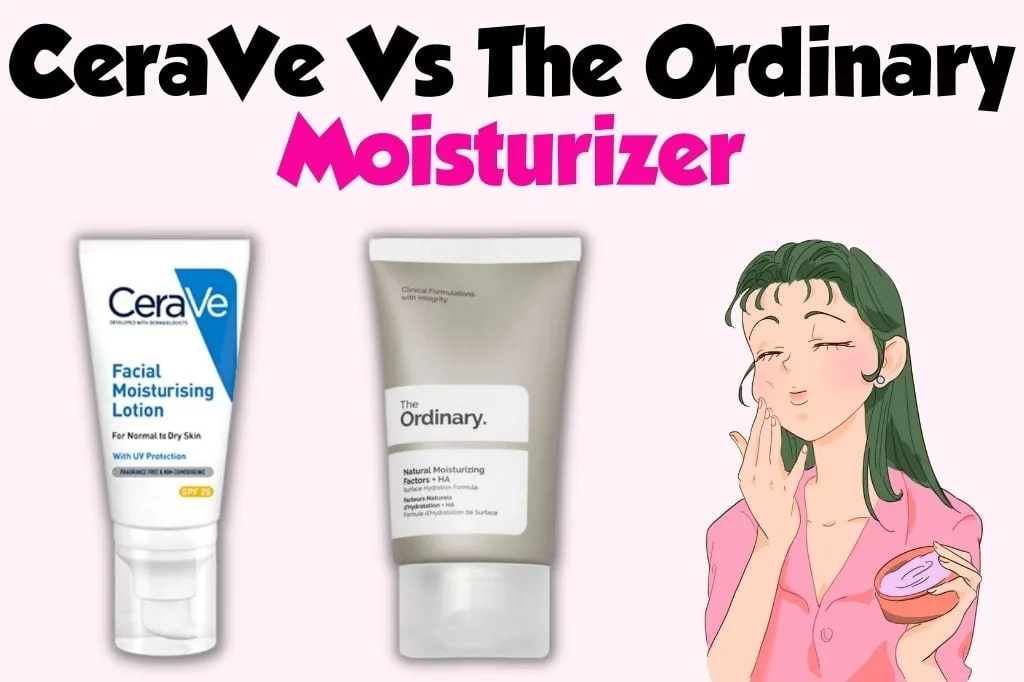
If you are a Gen Z woman building a skincare routine on a budget, the CeraVe vs. The Ordinary debate is one you have almost certainly encountered. Both brands dominate drugstore shelves and TikTok feeds, but they approach skin health from fundamentally different angles. For a complementary read on the same theme, see How Do Brushes Affect the Stone’s Path in Olympic Curling
How CeraVe and The Ordinary Built Their Reputations
CeraVe was developed in 2005 with dermatologists and centers its formulas around ceramides — lipids that restore the skin barrier. The brand gained mainstream momentum throughout the 2010s and became a staple recommendation from dermatologists for sensitive and acne-prone skin. Its Moisturizing Cream and Hydrating Cleanser remain among the most frequently recommended drugstore products in the United States. A reference profile of the subject is maintained on Will.i.am
The Ordinary, launched in 2013 under the parent company DECIEM (founded by Brandon Truaxe), took a radically different path. It stripped away marketing fluff and sold single-ingredient serums — like niacinamide 10% and hyaluronic acid 2% — at prices rarely exceeding ten dollars. The brand became a cult favorite among younger consumers who wanted to understand exactly what they were putting on their skin.
I Am a Gen Z Woman: How Does CeraVe Compare to The Ordinary in Terms of Skincare Effectiveness?
The answer depends entirely on what your skin needs. CeraVe focuses on barrier repair and maintenance, making it ideal for dry, sensitive, or compromised skin. Its formulations rely on a combination of ceramides, hyaluronic acid, and MVE technology for slow-release hydration. The Ordinary, by contrast, offers targeted actives — retinoids, acids, and vitamin derivatives — that address specific concerns like hyperpigmentation, texture, and fine lines. A reference profile of the subject is maintained on I Am a Gen Z Woman: How Does CeraVe Compare to The Ordinary in Terms of …
For a Gen Z woman dealing with dehydration or a damaged moisture barrier, CeraVe’s gentle, no-frills approach often delivers more consistent results. If your concern is uneven tone or early signs of aging, The Ordinary’s concentrated serums give you precise control over active ingredients. Many dermatologists suggest using both: CeraVe as a foundational cleanser and moisturizer, with The Ordinary serums layered on top for targeted treatment.
Price-wise, both brands sit in the affordable range, though The Ordinary’s individual serums tend to cost less per unit than CeraVe’s multi-ingredient products. Neither brand relies on luxury packaging or celebrity endorsements to drive sales, which keeps costs low and transparency high.
What Dermatologists Confirm and What Remains Debated
What is well established is that ceramides — the backbone of CeraVe’s formula — are clinically supported for repairing the skin barrier. Similarly, The Ordinary’s niacinamide and retinol formulations have peer-reviewed research backing their efficacy at the concentrations the brand uses. Both brands are fragrance-free in most of their core lines, which reduces the risk of irritation.
What remains less clear is how these brands perform across diverse skin types and climates over the long term. Individual results vary significantly, and neither brand has published large-scale independent clinical trials comparing their products head-to-head. Consumer reviews and dermatologist recommendations offer useful guidance, but personal patch testing is still the most reliable method.
Why This Comparison Matters for Gen Z Skincare Choices
Gen Z consumers are arguably the most ingredient-literate generation in skincare history. Social media has made it possible to research formulations before purchasing, and both CeraVe and The Ordinary benefit from that transparency. Choosing between them is not about which brand is objectively better — it is about matching the product philosophy to your specific skin goals.
As the affordable skincare market continues to grow, understanding the difference between barrier-focused and active-focused brands will help you build a routine that actually works rather than one driven by trends.











Post Comment