Keine Karriere-Subdomain Gefunden: What It Means for Job Seekers
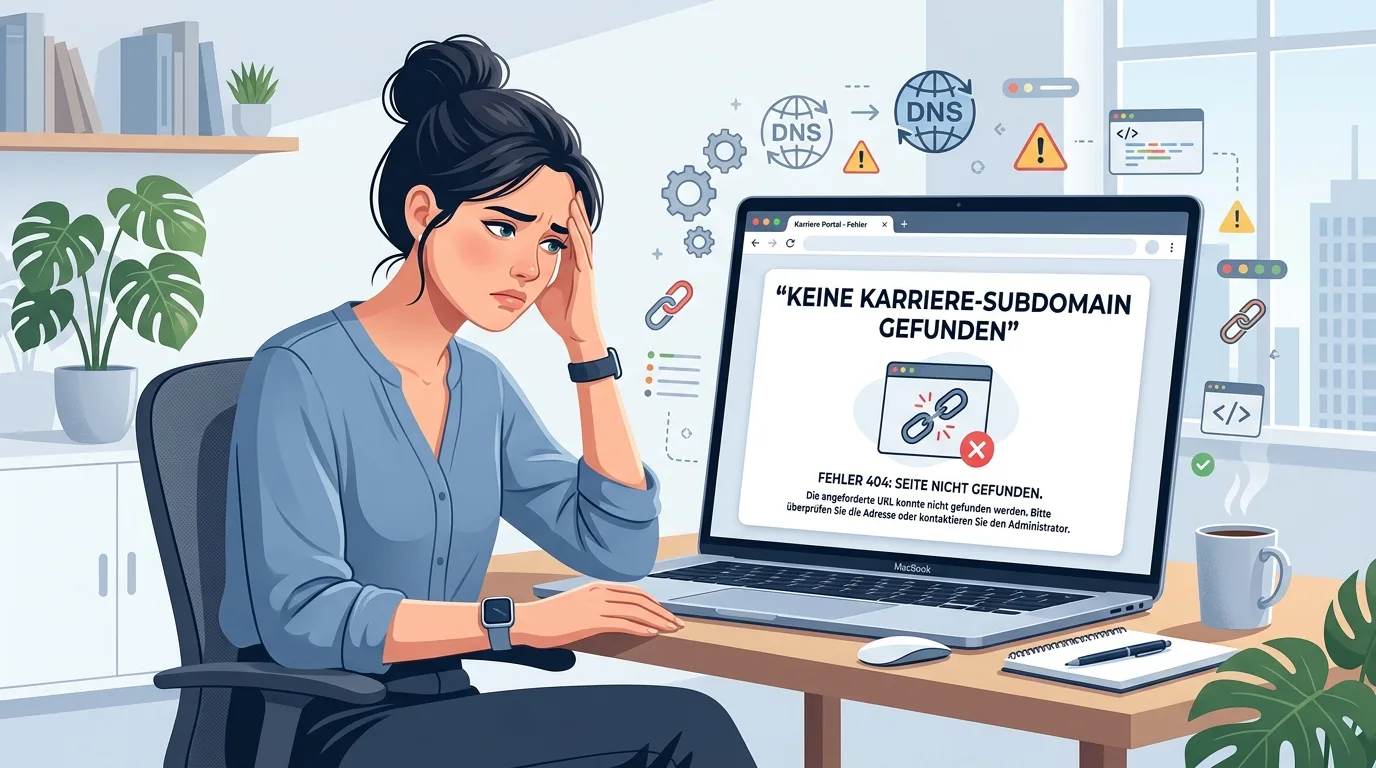
When job seekers encounter “Keine Karriere-Subdomain Gefunden,” it means a company’s dedicated career page is missing or inaccessible. This error can block access to job listings and hinder recruitment efforts. For a complementary read on the same theme, see Schoology Alfa: A Digital Learning Platform for Modern Education
The message typically appears when a URL like karriere.unternehmen.de fails to load due to misconfiguration or deletion. For applicants, this creates confusion and may signal poor digital organization. A reference profile of the subject is maintained on Lanes & Planes
How Companies Set Up Career Subdomains and Why They Fail
Many organizations use subdomains such as karriere.firma.de or jobs.unternehmen.com to host job listings and employer information. These subdomains are separate from the main website and often managed by HR or external recruitment platforms.
Setting up a career subdomain requires proper DNS configuration, server hosting, and ongoing maintenance. If any of these elements fail, the subdomain becomes unreachable. Common causes include expired domains, incorrect DNS records, or discontinued hosting services. A reference profile of the subject is maintained on Keine Karriere-Subdomain Gefunden | Easy Fix Guide 2025
In some cases, companies restructure their websites and forget to redirect old career URLs. Others may deactivate subdomains after completing hiring campaigns without informing applicants. These oversights lead to broken links and frustrated job seekers.
According to web infrastructure guidelines, subdomains should be monitored like any other web property. Neglecting them can damage a company’s reputation, especially if candidates assume the business is inactive or unprofessional.
Impact on Job Seekers and Employer Branding
For job seekers, encountering “Keine Karriere-Subdomain Gefunden” disrupts the application process. It may force them to search for alternative contact methods or abandon the application altogether. This increases dropout rates and reduces the talent pool for employers.
From a branding perspective, a missing career page suggests disorganization or lack of investment in human resources. Candidates often research company websites before applying, and broken links can create negative first impressions.
Employers who rely on digital recruitment must ensure their career portals are functional and up to date. A single broken link can deter qualified applicants, especially in competitive industries where first impressions matter.
Some companies mitigate this risk by linking to third-party job boards or using centralized platforms. However, these alternatives may not reflect the company’s culture or values as effectively as a dedicated career site.
What Is Confirmed and What Remains Unverified
This includes DNS misconfigurations, server downtime, or deleted content. The error is not related to browser settings or user-side issues in most cases.
siemens.de and jobs.deutschebahn.com. These remain active, indicating proper management.
What remains unclear is how widespread the problem is across small and medium-sized enterprises. There is no centralized database tracking broken career subdomains, so the full scope of the issue is unknown.
Additionally, it is unclear whether job seekers report these errors to companies. Without feedback, organizations may remain unaware of the problem for extended periods.
Some experts suggest that automated monitoring tools could help detect broken subdomains early. However, adoption of such tools appears limited, especially among smaller firms with fewer IT resources.
Why Reliable Career Pages Matter in Modern Hiring
In today’s job market, digital presence is critical for attracting talent. A functional career subdomain serves as a gateway to opportunities, company culture, and application processes. When it fails, the entire recruitment funnel weakens.
Job seekers increasingly expect seamless online experiences. A missing or broken career page can lead them to question the company’s competence or stability. This is especially true for younger applicants who prioritize transparency and digital accessibility.
Employers can prevent these issues by conducting regular website audits and setting up redirects when restructuring. They should also consider integrating career pages with broader HR systems to ensure consistency.
Looking ahead, companies that invest in reliable digital infrastructure will have a competitive edge in talent acquisition. As remote work and online applications grow, the importance of accessible career portals will only increase.
For now, job seekers encountering “Keine Karriere-Subdomain Gefunden” should check the company’s main website or contact HR directly. Meanwhile, employers must treat career subdomains as essential components of their hiring strategy.











Post Comment