Pulsamento: Understanding the Rhythmic Pulse Behind Music and Beyond
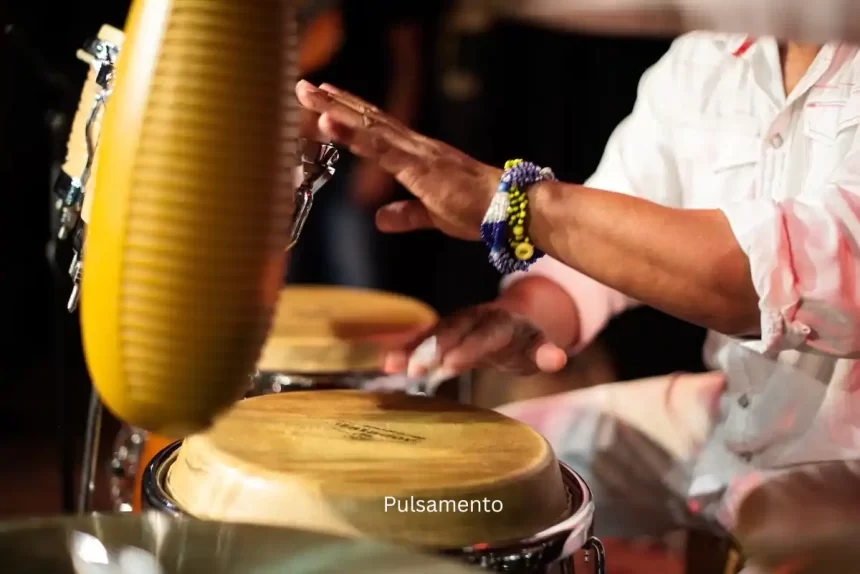
Pulsamento is the steady, recurring beat that forms the backbone of nearly every musical piece ever written. It is the element listeners feel even when they cannot name it, the pulse that makes bodies sway and feet tap without conscious thought. On a related note, puzutask com: What the Platform Offers and How It Works adds useful context
What Pulsamento Means and Where the Term Comes From
The word pulsamento originates from Italian, rooted in the verb “pulsare,” meaning to pulse or beat. In music theory, it describes the regular, underlying rhythmic unit that organizes a piece from start to finish. Unlike tempo, which refers to the speed of that beat, pulsamento refers to the beat itself — the consistent throb that holds a composition together. Musicians across classical, jazz, and popular traditions rely on it as a foundational concept, even when they use different terminology. Public records covering this story are gathered in Pulsamento: Meaning, Uses, Effects & Scientific Guide
The concept has deep roots in Western music pedagogy. Italian musical terminology has dominated theory and instruction since the Baroque era, and terms like pulsamento entered standard vocabulary alongside words like tempo, crescendo, and staccato. While the exact first recorded use of the specific term is difficult to pinpoint, its conceptual framework has been central to music education in European conservatories for centuries.
How Pulsamento Functions in Musical Practice
In practical terms, pulsamento is what a conductor maintains with a baton or what a drummer locks into on a kick drum. It provides the grid against which syncopation, rubato, and rhythmic variation become meaningful. Without a steady pulse, these expressive techniques would have no reference point.
Classical musicians encounter pulsamento from their earliest training. A piano student learning a Bach minuet must maintain the pulse even when the right hand plays ornamental passages. Jazz musicians, meanwhile, use the concept differently — they often deliberately play ahead of or behind the pulse to create tension and release, a technique known as “playing in the cracks.” In electronic music production, the pulse is literal: a sequencer or drum machine generates it with mathematical precision.
The concept extends beyond Western traditions. Many West African drumming ensembles organize complex polyrhythmic patterns around a shared pulse, sometimes called a timeline pattern. Indian classical music uses the taal system, a cyclical rhythmic framework that serves a similar structural function. While the terminology differs, the underlying principle of an organizing beat remains remarkably consistent across cultures.
What Is Established and What Remains Open to Interpretation
What is well established is that pulsamento serves as a structural anchor in music across genres and traditions.
What remains less clear is the precise boundary between pulsamento as a theoretical concept and related ideas like meter, groove, or beat. Some musicologists treat these terms as near-synonyms, while others draw careful distinctions. Additionally, how the concept maps onto non-Western rhythmic systems is an ongoing area of scholarly discussion rather than settled fact.
Why Understanding Pulsamento Matters for Musicians and Listeners
For musicians, a strong grasp of pulse is not optional — it is essential. Ensemble playing collapses without a shared sense of the underlying beat. Solo performers who lose the pulse lose their audience’s physical engagement with the music. Understanding pulsamento at a deep level allows performers to manipulate rhythm expressively rather than merely accurately.
For listeners, awareness of pulse enriches the experience of music. Recognizing how a composer or performer plays with expectation — delaying a resolution, shifting accent patterns, or layering conflicting rhythms against a steady beat — reveals layers of craft that casual listening might miss. As digital production tools make rhythmically precise music easier to create than ever, the human feel of a well-managed pulse remains what separates compelling performances from mechanical ones.










Post Comment